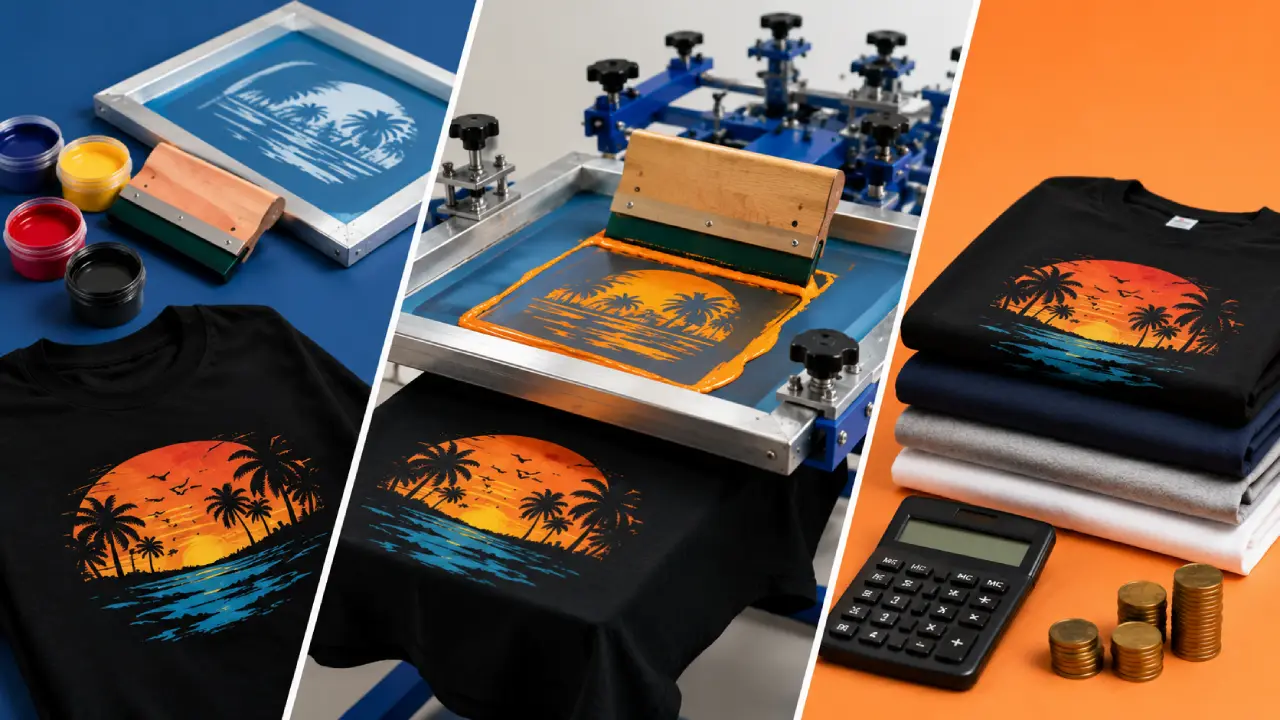

Custom apparel has never been more in demand. Whether it’s a local restaurant outfitting its staff, a band selling merch after a show, or a startup building brand recognition through tees, the need for high-quality, durable printed shirts is constant. When it comes to meeting that demand at scale without sacrificing quality, screen printing remains the gold standard. If you’ve been wondering how to screen printing shirts the right way for a custom apparel business, you’re in the right place. This guide covers everything from the basics to what separates average print shops from the ones clients keep coming back to.
What Is Screen Printing?
Screen printing, sometimes called silk screening, is a method of applying ink onto fabric by pushing it through a mesh screen with a squeegee. Each color in the design gets its own screen, and layers are applied one at a time to build the final image.
It sounds simple, and in concept it is. But execution takes real skill, the right equipment, and a solid understanding of inks, fabrics, and press settings. Done well, screen printing produces vivid, long-lasting prints that hold up wash after wash. Done poorly, you get cracked, faded, or misaligned designs.
Why Businesses Choose Screen Printing for Shirts
There are other printing methods out there, direct-to-garment (DTG), heat transfer, sublimation, but screen printing for shirts remains the go-to for several solid reasons.
Cost-effectiveness at volume is the biggest factor. Setup costs are fixed, so the per-unit price drops as order quantity increases. Durability is another key advantage, screen printed ink bonds tightly when cured properly and doesn’t peel the way heat transfers often do. Color vibrancy is hard to beat on dark garments, and consistency across an entire run matters enormously to businesses ordering branded merchandise.
Essential Equipment Needed for Screen Printing
You don’t need a massive facility to get started, but you do need the right tools. A functioning setup requires mesh screens, photo emulsion and an exposure unit, squeegees, inks, a flash cure unit, a conveyor dryer, and most importantly, a screen printing press machine. Each piece plays a specific role, and skimping on one usually shows in the finished product.
Understanding a Screen Printing Press Machine
The screen printing press machine is where everything comes together. It holds the screens in place, registers them to the garment, and lets the printer apply consistent pressure with each pull.
There are two main types. A manual press requires the printer to physically pull the squeegee, great for smaller operations and custom one-off jobs. An automatic press uses motors and pneumatics to increase speed and consistency for high-volume production. Some automatic presses handle thousands of shirts per shift.
Press configurations are described by colors and stations. A six-color, six-station machine holds six screens simultaneously, letting you print six-color designs without stopping to swap anything. For most growing shops, starting on a four- or six-color manual press and upgrading to an automatic over time is the most practical approach financially.
Step-by-Step Screen Printing Process
Here’s how a typical production run flows:
Artwork is color-separated and output as film positives. Mesh screens are coated with photo emulsion and dried in a dark room. Film positives are placed on screens and exposed to UV light, hardening the emulsion everywhere except the design area. Unexposed emulsion washes away, leaving open mesh in the exact shape of the artwork.
Screens mount on the press, and garment placement is precisely registered. Ink is pulled across each screen with a squeegee, with flash curing between color layers. Shirts pass through a conveyor dryer for full cure, and every piece is inspected before packaging. A misaligned screen or under-cured print can compromise an entire order.
Choosing the Right Ink and Fabric
Not all inks work the same on all fabrics, and this is where experience pays off quickly.
Plastisol ink is the industry workhorse. It sits on top of the fabric, cures around 320°F, and delivers consistent, opaque results on most garment types. Water-based ink soaks into the fibers for a softer hand feel, making it popular for fashion-forward or vintage-style pieces. Discharge ink removes the garment’s original dye and replaces it with pigment, producing a finish that feels like part of the shirt itself.
For fabric, 100% cotton is the screen printer’s best friend. Polyester blends introduce dye migration risk, where the fabric’s dye bleeds into the ink during curing, managed with the right inks and lower cure temperatures.
Professional Screen Printing and Embroidery Services for Businesses
If you’re a business that needs high-quality custom apparel without building your own production setup, working with a professional shop makes more sense. RIPPrint is a trusted provider of custom t-shirt screen printing and embroidery services, offering everything from small specialty runs to large bulk orders. Whether you need branded uniforms, event merchandise, or promotional gear, RIPPrint delivers consistent results with fast turnaround. Their screen printing and embroidery capabilities mean you can source both printed and stitched designs from one place, keeping quality consistent across your entire apparel line.
Common Mistakes Beginners Should Avoid
A few mistakes appear repeatedly in newer print shops. Under-curing ink is the most common, if the dryer temperature is off or shirts move through too fast, the ink won’t bond fully. A stretch test reveals this immediately. Misregistration on multi-color designs makes even great artwork look amateurish. Using the wrong mesh count for detailed work causes designs to lose definition. Flooding screens with too much ink leads to bleed and a heavy hand feel on the finished garment.
Always proof your screens before running full production. Catching a bad screen early costs minutes. Missing it costs the price of reprinting an entire order.
Tips for Producing High-Quality Screen Printing Shirts
Quality is about repeatable habits. Use the correct off-contact distance so screens aren’t pressing flat against the shirt during printing. Calibrate your dryer regularly, temperature drifts more than most printers expect. Store screens carefully between runs to protect the emulsion. Request vector artwork from clients whenever possible; clean files produce clean prints.
How to Grow a Custom Apparel Printing Business
Building a sustainable business goes beyond just knowing how to screen printing shirts correctly. Identify your niche early, corporate branded merchandise, band merch, school sports teams. Specializing sharpens your marketing and builds reputation faster. Invest in customer relationships because repeat business drives long-term revenue more than new clients do. As volume grows, automating your press operation lets you scale output without adding proportional labor costs.
Cost Factors and Why Bulk Orders Work Best
Pricing screen printing involves setup fees per color, ink costs, garment cost, labor, and overhead. The more shirts in a run, the lower the per-piece price, fixed setup costs spread across more units. A 50-shirt run might cost $15 per piece. A 500-shirt run of the same design could drop to $6 or $7. That’s the core economics of screen printing, and why bulk orders are the smarter financial move for businesses ordering branded merchandise regularly.
Frequently Asked Questions
How long do screen printed shirts last?
With proper curing, 50-plus washes without significant fading is realistic. Washing inside out in cold water helps.
What is the minimum order quantity?
Most shops require 12 to 24 pieces due to fixed setup costs. Smaller runs can be done at a higher per-piece price.
How many colors can be printed on one shirt?
Most shops handle up to six or eight colors per design. Each additional color adds a screen and increases setup cost.
What press machine suits small businesses?
A four-color, four-station manual press is a strong starting point. Upgrade to a six-color or automatic press as order volume grows.
What is the difference between screen printing and embroidery?
Screen printing applies ink to the fabric surface. Embroidery stitches thread into the material. Screen printing suits large graphics and bulk orders. Embroidery adds a premium look ideal for logos on polos, jackets, and hats.
Can dark shirts be screen printed?
Yes. An underbase layer printed first keeps colors vibrant and true on black or navy garments.
What inks are safe for children’s apparel? Water-based and discharge inks are gentler options. Modern plastisol is largely phthalate-free, but always verify compliance with safety standards for children’s products.
How should artwork be prepared?
Vector files in AI or EPS format are ideal. Raster files need at least 300 DPI at print size. Each color should be on its own layer for clean separations on press.
Conclusion
Screen printing has endured for decades for a simple reason, it works reliably at scale. The process delivers durable, vibrant, cost-effective results that other methods struggle to match consistently for bulk apparel. Whether you’re operating your own shop or sourcing production for a growing brand, understanding how to screen printing shirts properly gives you a real competitive edge. For businesses seeking a professional production partner, RIPPrint offers expert custom apparel solutions, from t-shirt screen printing to embroidery, built for brands that take quality seriously. Explore their services and see what professional printing actually looks like.