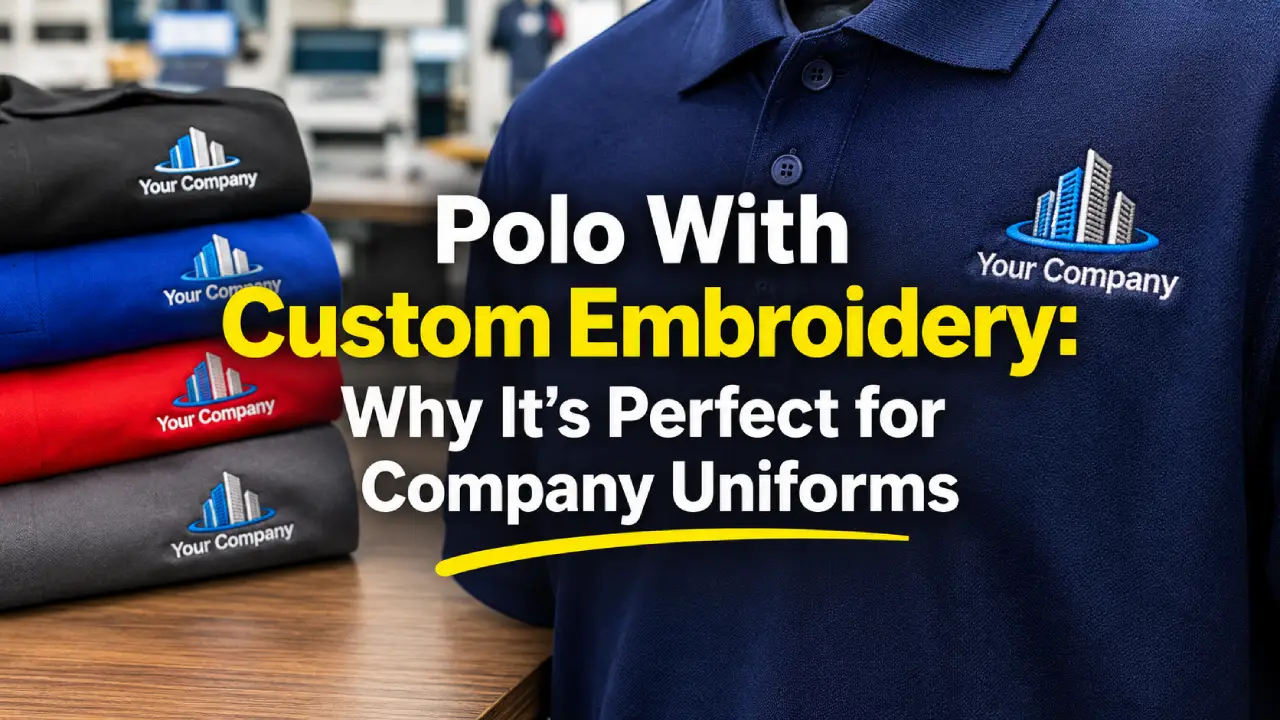

Walk into any office, gym, or school event and you’ll spot them right away, shirts with a logo that’s stitched, not printed. Embroidered T Shirts have that look for a reason. The thread sits above the fabric, catches light differently, and just feels more put-together than ink on cotton. That’s why so many small businesses, sports teams, schools, and event planners keep coming back to embroidery when they want apparel that actually lasts.
This guide covers what makes embroidery worth the investment, which styles and fabrics work best, how it compares to screen printing, and what to check before picking a shop for your order.
Why Choose Embroidered T Shirts
A few reasons keep pulling people back to this method year after year:
- Professional look. Stitched logos have depth you can’t fake with a flat print.
- They hold up. Thread woven into fabric doesn’t crack or flake off after a few washes.
- Branding that sticks. A clean chest logo says a lot about how a business presents itself.
- Built to last. Embroidery survives daily wear far better than most decoration methods.
- Worth the cost. You pay more upfront, but the shirt keeps representing your brand for years.
Benefits of Embroidered T Shirts
Embroidery isn’t just about looks. There’s a practical case for it too.
For one, it reads as more professional than printed graphics, clients and customers notice the difference, even if they can’t say why. The finish also has weight to it; you can feel the stitching, and that texture adds value before anyone even reads the logo.
Because the thread locks into the fabric rather than sitting on top of it, embroidered designs resist cracking and peeling in ways printed ink can’t. That translates directly into better wash durability, which matters a lot for uniforms that get cleaned weekly.
There’s also a comfort factor people don’t talk about enough. Large printed designs can stiffen a shirt, especially after a few washes. Embroidery, especially on smaller logos, leaves the fabric feeling close to normal, so the shirt still drapes and moves naturally instead of feeling like it’s wearing a patch of plastic on the chest.
One more thing worth mentioning: embroidery photographs well. A stitched logo tends to look sharper and more consistent in staff photos than a printed one that can crack or fade over time.
Popular Styles of Embroidered T Shirts
Embroidery isn’t limited to one type of shirt. It works across:
- Polo shirts: the standard for client-facing teams
- Crew neck tees: casual, versatile, easy to pair with a small logo
- V-necks: a slightly dressed-down option for retail staff
- Performance apparel: moisture-wicking shirts for sports and outdoor crews
- Corporate wear: jackets and button-downs for a matched office look
- Work uniforms: built for repeated washing and physical labor
- Promotional apparel: shirts made for trade shows and giveaways
Fabric Options for Embroidery
Fabric choice affects how a design turns out. Cotton is the most common pick, breathable, soft, and it holds stitching cleanly. Cotton blends add a bit more shape retention while keeping that comfortable feel.
Polyester resists wrinkling and holds color well, which is why it shows up so often in performance and promo shirts. True performance fabrics, usually polyester-based, add stretch and moisture-wicking for athletic or outdoor use.
Weight matters too. Heavier fabrics give embroidery a sturdier base and hold fine detail better, which is why a lot of uniform shirts lean toward mid- to heavyweight cotton blends. Lightweight materials work fine for simple logos but can pucker slightly under dense stitching, so if your design has a lot of detail, ask your shop whether backing or stabilizer is included — it makes a noticeable difference in how the final product lays flat.
Custom Embroidery Design Options
There’s a lot of room to make a design your own:
- Company logos for consistent branding
- Employee names for personalized uniforms
- Monograms for a classic, individual touch
- Left chest placement, still the most requested spot
- Sleeve embroidery for smaller accents
- Back embroidery for slogans or team names
- Multi-color designs for more detailed artwork
Embroidered T Shirts vs Printed T Shirts
People ask this constantly, and the honest answer is: it depends on the job.
Embroidery has texture and dimension; printing lies flat. Embroidery tends to outlast prints, especially through heavy washing, while screen printing is usually cheaper for big, colorful designs. Embroidered T Shirts make the most sense for uniforms, polos, and anything meant to look polished over the long run. Printed shirts fit better for one-off events or designs with lots of color and detail. And when it comes to how a brand comes across, embroidery just reads as more established.
Choosing the Right Embroidery Shop
Quality varies a lot between providers, so a few things are worth checking first.
Experience matters, a shop that’s been doing this a while has usually worked out the kinks. Equipment matters too; newer, well-maintained machines produce cleaner stitching with fewer thread breaks.
Ask about thread quality directly, since cheap thread frays, fades, and breaks down fast. A solid custom embroidery provider should also help with design support, turning your logo into a stitch-ready file rather than leaving you to figure it out.
Turnaround time matters if you’re working toward a deadline, whether that’s a company launch, a tournament, or a trade show booth. Read a few customer reviews before committing, recurring patterns in the feedback tend to say more than any single glowing review. Pricing should be upfront with no vague add-on fees buried in the fine print, and if you’re ordering for a team, confirm the embroidery shop can actually handle bulk order capabilities without slowing down or cutting corners on stitch quality.
Screen Printing and Embroidery: Which One Should You Choose?
Both methods have their place. Screen printing and embroidery aren’t really competitors, they’re tools for different jobs.
Screen printing wins for large, bold graphics and short-term apparel like event shirts. Embroidery wins for smaller, cleaner logos meant to last, like uniforms or corporate wear. Plenty of orders actually use both, a big front graphic printed, with a small embroidered logo on the sleeve.
Why Businesses Trust Our Custom Embroidery Service
When it’s time to order, working with a shop that gets both quality and speed makes a real difference. Our custom embroidery service focuses on clean logo work using thread that holds its color through hundreds of washes.
We handle bulk orders for full staff rollouts, offer design help so your logo translates properly into stitching, and keep turnaround times realistic instead of overpromising. Our team stays available throughout the process, from the first proof to the final shipment.
Need more than one decoration method on the same order? We also offer custom embroidery screen printing, combining both techniques so you’re not juggling two vendors for one project.
FAQs
What are embroidered T shirts?
Shirts decorated with thread stitched directly into the fabric, creating a raised, textured design instead of a flat printed one.
How long does embroidery last?
Years, typically, without cracking, peeling, or fading, assuming reasonable care.
Is embroidery better than printing?
Depends on the job. Embroidery suits small logos and uniforms; printing suits large, colorful, short-term designs.
What fabrics work best for embroidery?
Cotton, cotton blends, polyester, and performance fabrics all work, though heavier weights hold detail better.
Can embroidered T shirts be machine washed?
Yes, turn the shirt inside out and use a gentle cycle to protect the stitching.
Are embroidered T shirts good for business uniforms?
Yes. Their durability makes them a strong fit for uniforms that get washed often.
Can I order embroidered shirts in bulk?
Most shops, including ours, handle bulk orders for teams, schools, and companies.
How do I choose the right embroidery shop?
Check experience, equipment, thread quality, design support, turnaround time, and reviews before ordering.
Conclusion
Whether it’s a full staff uniform rollout or a small batch for a personal project, embroidery keeps proving itself as one of the more reliable ways to represent a brand. It holds up, looks sharp, and offers enough design flexibility to fit almost any use case. If you want apparel that still looks good a year from now, Embroidered T Shirts are worth the investment.
They also create a polished, professional impression that helps businesses, schools, sports teams, and organizations stand out. With high-quality stitching, durable fabrics, and endless customization options, embroidered apparel delivers long-term value. Choosing experienced professionals ensures every design is stitched with precision, giving you custom shirts that combine style, comfort, and lasting brand recognition.